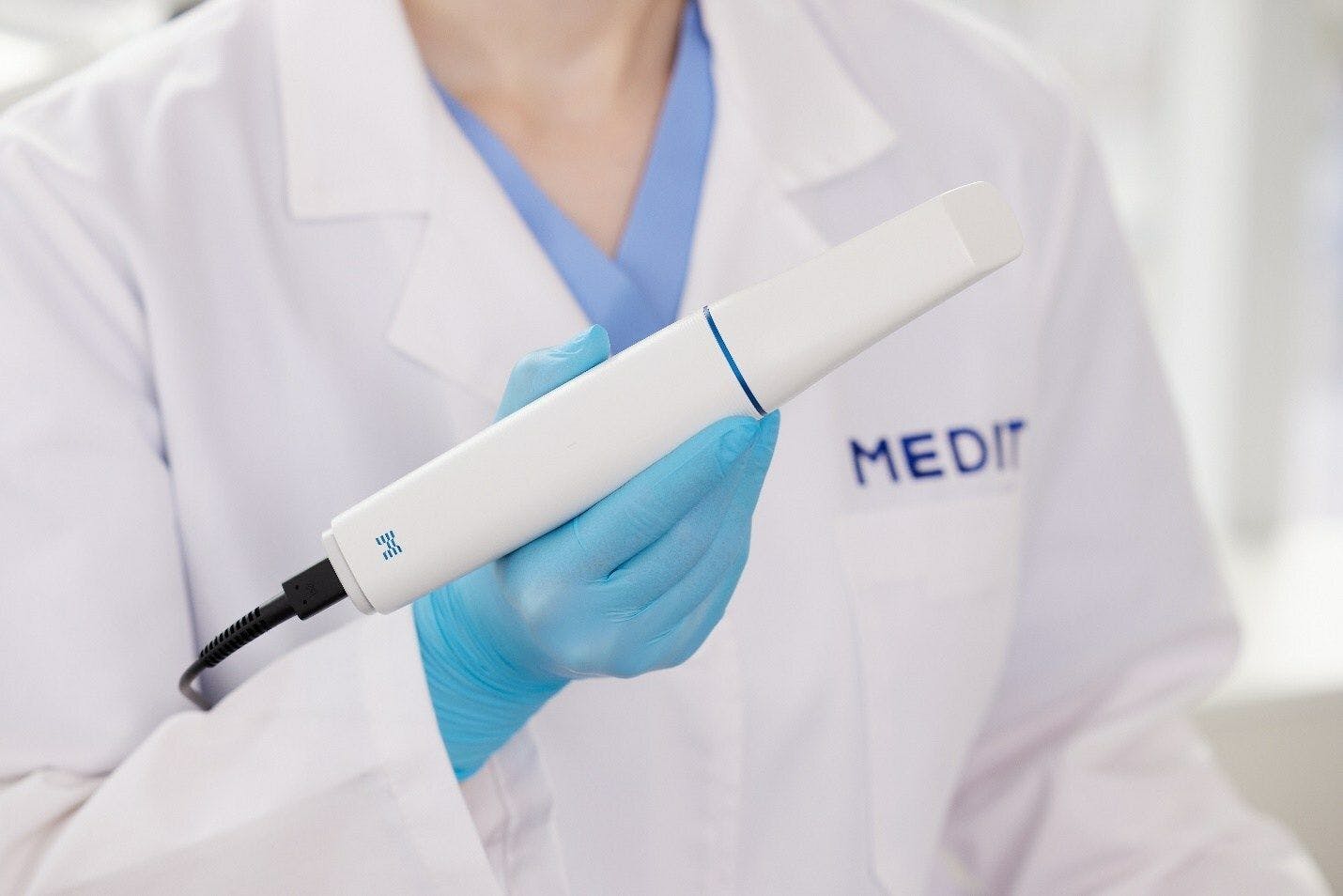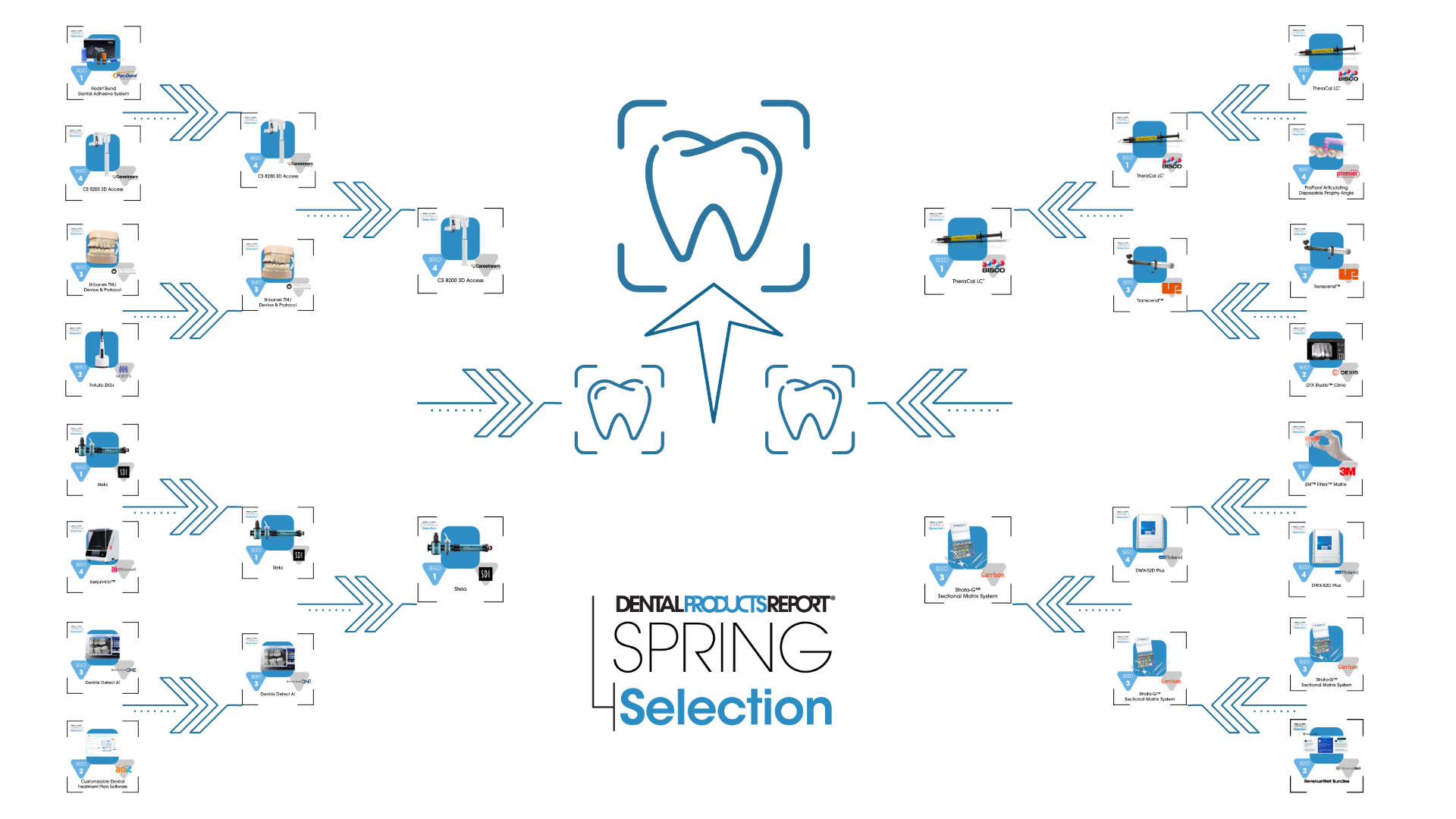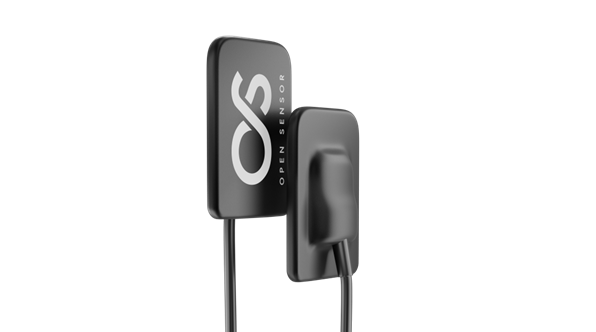


As part of DPR's category round-up for digital sensors (see introduction here), we did "snapshot" interviews with dentists using three of the market leading sensors to find out what they chose and why.
I have always been drawn to new technology. When analyzing the WaveOne file, it is clear that a lot of science went into its development. The concept and design behind the file system is built around a conservative shaping approach. The file system allows me to establish deep shape in the apical third of the root canal system while maintaining a conservative preparation in the middle and coronal third.
Sterilization in general, and dental unit waterlines (DUWL) in particular, was big news about a dozen years ago. And it was about that time that Dr. Luke Iwata, a general practitioner who also was affiliated with Loma Linda University School of Dentistry at the time, shared his thoughts with a chemical engineer.
Dr. Philip Kroll was using another DUX product, the reversible hydrocolloid, when the company suggested he give ShortCut GingiBRAID a try a little more than a year ago.
Crown and bridge procedures are often complex, labor intensive and detail oriented endeavors incorporating a number of different dental materials for success from start to finish. Clinician’s Choice has two stand-out products that offer the possibility of easing the dentist’s burden in managing two elements of crown and bridge: fabrication of the provisional and cementation of the provisional.
I remember back in the mid-1990s, I was working with a company that was trying to bring a fairly new technology to market. That technology was digital radiography and back then, it required a Herculean effort to even begin to get it to work. I spent countless hours tearing apart computers and adding parts that would allow the sensors to communicate with the computer.
In a tough economy, it’s more important than ever that dentists work to meet and exceed each patient’s expectations. By performing to the best of one’s abilities at every appointment, a dentist can develop stronger relationships with existing patients, as well as gain new patients.
For all patients with malpositioned teeth, comprehensive orthodontics is the first recommendation to conservatively correct and enhance the appearance of their smile. Unfortunately, the large majority of adults aren’t willing to undergo the lengthy treatment that’s usually involved.
While there are many direct composites to choose from, each comes with its own limitations. Macro-composites, first introduced in the 1960s for use on anterior teeth, feature minimal shrinkage and favorable mechanical properties.
Featuring advanced design and engineering, the Midwest Stylus ATC air-driven handpiece is powerful and efficient.