

Skip navigation
Product Spotlight
3M™ ESPE™ Protemp™ Plus Temporization Material is the first bis-acrylic composite material that includes a new generation of sophisticated fillers, offering easy handling and eliminating the need to polish. Since its launch,...
Ideal for CAD/CAM and glass ceramic restorations. This innovative dual cure, adhesive resin cement from 3M ESPE—combined with Scotchbond™  Universal Adhesive—provides industry-leading bond strength in fewer steps....
Increase everyday efficiency with Eaglesoft 16 Practice Management Software from Patterson Dental. Designed to be intuitive and easy to use, the latest version comes with a new look, greater functionality, and enhanced adaptability. New features...
3M ESPE's MDI mini dental implant system is minimally invasive and immediately stabilizes loose dentures using a 90-minute patented protocol, often completed without a flap and frequently using the patient's existing denture.
Pre-trimmed and crimped, these stainless steel primary molar crowns were developed to deliver consistent, accurate and predictable clinical outcomes. Click here to learn more and enter to win FREE Hu-Friedy Pedo Crowns! 
Event Finder

Probiotics: Good bacteria for good health

Some bacteria aren't bad, they're just misunderstood.
Dental Products Report
2010-07
Mon, 2010-07-12 16:25 | Senior Editor and by Richard Palmer

As the oral-systemic healthcare link gains wider acceptance, and as clinicians are promoting a whole-body approach to dental treatment, the term "probiotics" pops up occasionally as a new approach to treating the entire patient. But what are probiotics, and how can they help with oral health as a gateway to overall health?

"There is a certain amount of misunderstanding about probiotics," said Michael Shahani, CEO of Nebraska Cultures and son of Khem Shahani, PhD, the company founder who discovered the DDS-1 strain of L. acidophilus in the 1950s. "Probiotics are actually live bacteria that confer some sort of benefit on the host organism that takes them or ingests them." Probiotics also is the term used for the dietary supplements containing these bacteria, such as Nebraska Cultures' Pro-FloraTM.

According to Shahani, the amount of naturally occurring probiotics in many people in this country has diminished over the past few generations for three main reasons—changes in diet, over-processing of food, and over-prescription on antibiotics—which has resulted in their need for a supplemental boost.

"The diet we eat today is the diet a very few rich people ate 100 years ago," said Shahani. Most people's diets would have consisted of more fresh fruits and vegetables in addition to more fermented food products. Traditional foods such as certain sausages, pickles and sauerkraut as well as fermented milk products like fresh cheeses and yogurt  use healthy bacteria as a means to preserve foods without refrigeration. However, today yogurts often are processed to such an extent that the healthy bacteria are killed, and the yogurt loses most of its probiotic benefits. 

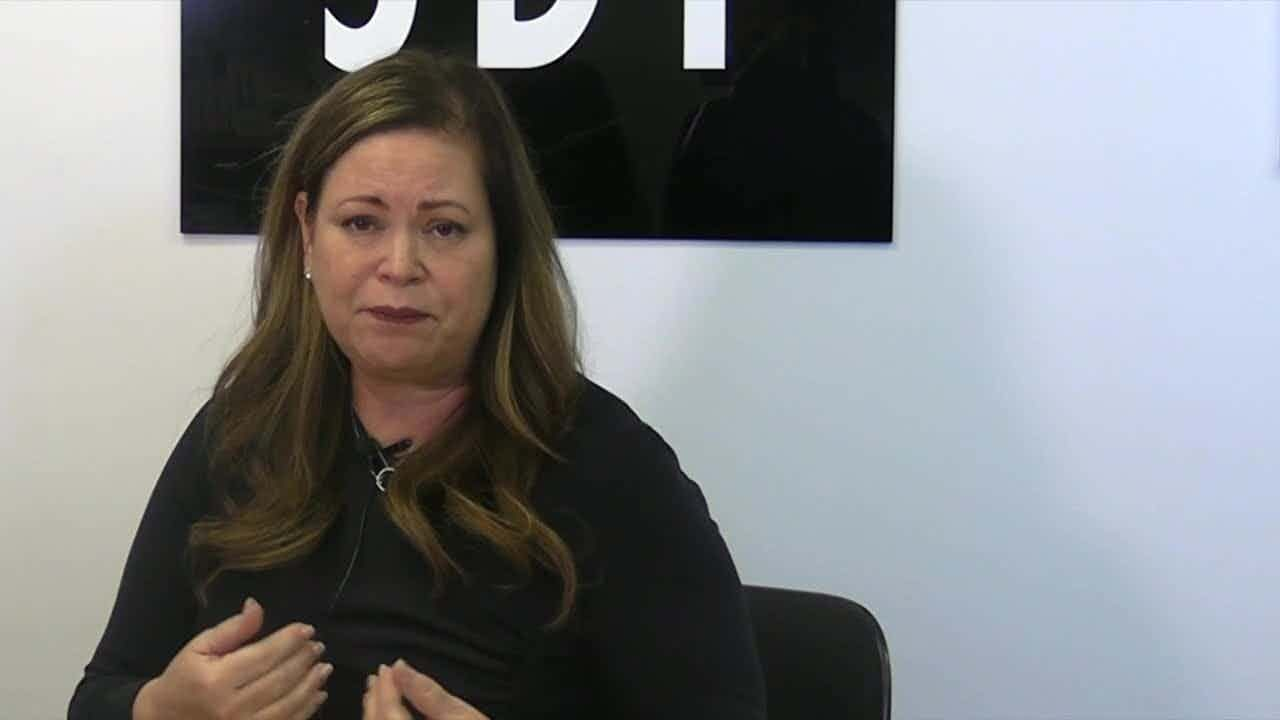
Khem Shahani, PhD, began his landmark research on Lactobacillus acidophilus at the University of Nebraska in the late 1950s.

Photo courtesy Nebraska Cultures.

"Also, we've become quite phobic about washing and sterilizing everything," he added. "Because food wasn't quite as clean a couple generations ago, there definitely were bacteria left on these foods that came out of the garden. Now, it's too clean and sterilized."

Shahani also feels that the overuse of antibiotics has contributed to the dearth of healthy bacteria. "We're taking antibiotics for things we don't need to be taking them for,  we're taking them just as a preventive measure, and we're giving antibiotics to our food animals. There are plenty of instances where the use of antibiotics is necessary, but at the same time, there are instances where people are taking antibiotics where they don't need to. What that does is kill off all the good bacteria as well as the bad."

A New Balance

As a result, certain health ailments, allergies and intolerances have become more prominent and more pronounced throughout the population. The addition of a daily probiotic can help return the body to a more healthy balance.

"Any probiotic activity you can get into the body is going to improve every part of the digestive process, including the oral part," said Shahani. "Because the digestive track is such an important part of the rest of our body, it affects a lot of other areas."

 Probiotic Benefits:
Stomach acid and bile resistant
                                        Produces B vitamins and folic acid
                                    Stimulates immune system

Produces enzymes including lactase
                                    Prevents carcinogenesis
                                   Selectively prevents the adhesion of pathogenic bacteria to the intestinal cell wall
                                            Aids in the alleviation of “traveler's diarrhea” and constipation
                                         Inhibits stomach ulcer-causing Heliobacter pylori bacteria
                                        Relives dermatitis and other skin disorders
                                         Shown to reduce serum cholesterol levels
                                        Inhibits the growth of toxic microorganisms
                                       Reduces lactose intolerance

Specifically, probiotics can produce enzymes that help in food digestion, including the creation of lactase that helps in the digestion of sugars in milk. Other benefits of probiotics include the production of B vitamins and folic acid, stimulation of the immune system, prevention of carcinogenesis, and keeping harmful bacteria such as E. coli from attaching to the intestinal walls.

"There is some evidence that there are probiotic bacteria that live in the mouth," said Shahani. "They're a kind of specialized group of bacteria, of which Streptococcus salivarius is one, which act as a probiotic in the mouth and can inhibit dental infections of various kinds such as dental caries and fungal infections." He adds that there has been more research into growing oral bacteria as a probiotic but that he is not aware of anything being done at a commercial level.

Words of warning

Shahani cautions that probiotic supplements should be considered just that: a supplement to traditional antibiotic treatment in cases involving serious disease. "I'm not sure that there's evidence that shows that taking probiotics is really going to combat periodontal disease. But it is certainly not going to hurt."

He adds that in cases where there is a legitimate prophylactic use of antibiotics to halt an infection, those antibiotics will have systemic effects on all bacteria, bad and good.

"Dentists should be as aware as any doctor of the importance of putting back those healthy bacteria in every part of the body."

Related articles

  • Embracing bacteria
  • Probiotics and oral health
New Products

Scheduler for CS SoftDent practice management software

Anti-bacterial wipes

Web cam attaches to loupes

Implant surgical guide system

Air/water syringe tips